
Many people see new internet slang every day while chatting online or scrolling through social media. One term that often creates confusion is what does rls mean in text. The meaning can change depending on the platform, conversation, and the people using it. That is why understanding the context is important before replying to a message. Learning popular text abbreviations helps you communicate better and avoid misunderstandings with friends, family, classmates, and online communities that use modern digital language every day.
Text shortcuts save time and make conversations faster and easier. Some abbreviations are used in gaming, while others appear in social media posts, group chats, and private messages. Knowing these terms can help you understand conversations without feeling lost or confused. As online communication continues to grow, staying familiar with common slang words makes texting simpler and more enjoyable for everyone using digital platforms today.
🧠 What Does DNI Mean in Text?
DNI stands for “Do Not Interact.” People use it online to tell certain users not to contact them or engage with their posts. It is common on social media platforms where users want to set personal boundaries and create a safer online experience for themselves and their followers.
For example, someone may write, “DNI if you post hateful comments” or “Minors DNI.” This tells readers who should avoid interacting with the account. Just as people search for what does wyf mean in text, many users also search for the meaning of DNI because internet slang changes quickly.
📱 Where Is DNI Commonly Used?
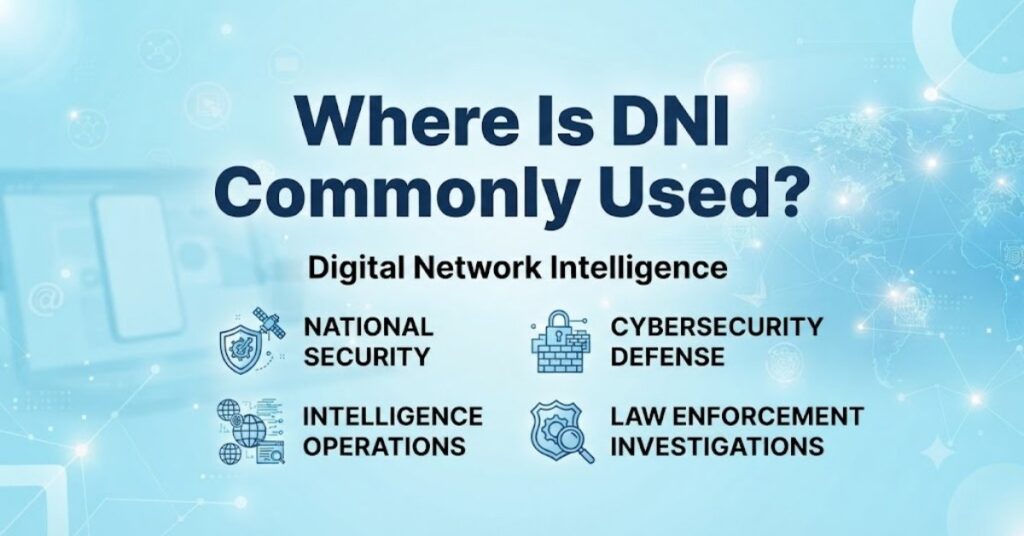
DNI is mostly seen on social media websites and online communities. It helps users explain who they want to interact with and who they prefer to avoid. Many creators place DNI notices in profiles, bios, or pinned posts to make expectations clear.
The term became popular because online communities grew larger and more diverse. Instead of explaining rules repeatedly, users can simply add a DNI statement. This saves time and helps prevent unwanted conversations before they even begin.
📍 Popular Platforms:
- TikTok
- Discord
- X (Twitter)
- Tumblr
People often place DNI information in their profile descriptions or community rules. On Discord servers, moderators may also use DNI messages to guide member behavior and protect community standards.
Many fandom communities and hobby groups use DNI notices regularly. These notices can help reduce arguments and make online spaces more comfortable for everyone involved in the conversation.
🧩 Tone & Style:
DNI messages can sound polite, neutral, or strict depending on how they are written. A friendly version might say, “Please DNI if you enjoy online drama.” A stricter version may use stronger wording to discourage interaction.
The style usually depends on the community and the reason for setting boundaries. Some people prefer soft language, while others choose direct wording to avoid misunderstandings or repeated problems online.
💬 Examples of DNI in Conversation
A user might write, “DNI if you spread spoilers without warnings.” Another example is, “Political accounts DNI.” These examples help readers understand who the message is directed toward and why the request exists.
You may also see messages like, “If you support harassment, DNI.” The purpose is not always to offend people. In many cases, it simply helps users create a more enjoyable online environment for themselves and others.
| Example | Meaning |
| Minors DNI | People under 18 should not interact |
| Spam accounts DNI | Spam profiles are not welcome |
| Haters DNI | Negative comments are discouraged |
🕓 When to Use and When Not to Use DNI
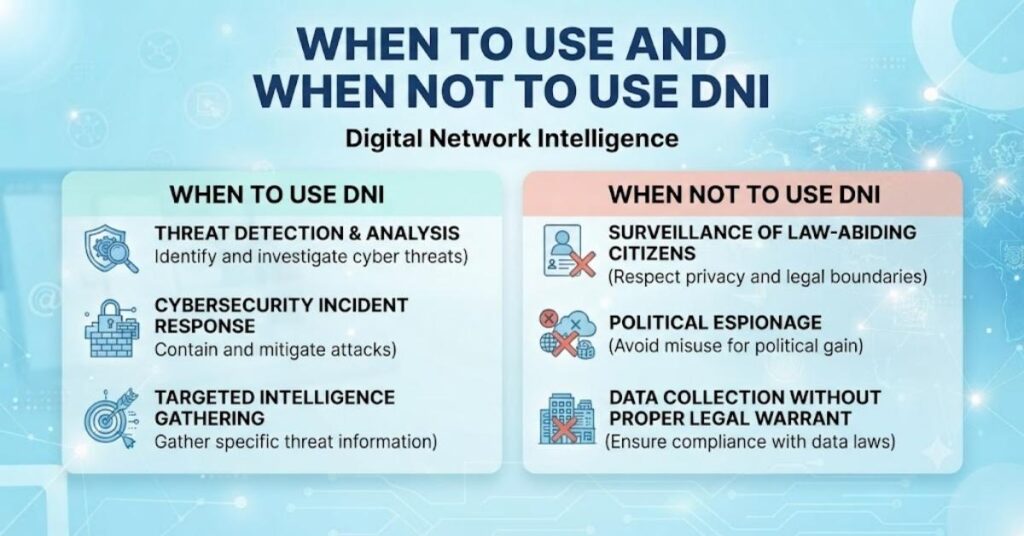
DNI can be useful when someone wants to set clear expectations online. It gives people an easy way to explain their boundaries without writing long explanations under every post or comment.
However, DNI is not necessary in every situation. Using it too often or in inappropriate places can make messages seem unfriendly or overly aggressive to other users who mean no harm.
✅ When to Use DNI
Use DNI when protecting your privacy or maintaining a positive environment matters. It works well for communities that discuss sensitive topics or personal experiences where respectful interaction is important.
Examples include support groups, fan communities, and private discussion spaces. In these situations, DNI messages help establish clear rules and reduce conflict between members with different goals or interests.
❌ When Not to Use DNI
Avoid using DNI in professional settings or customer communication. It may seem unwelcoming or confusing when the goal is open discussion or public engagement with many different audiences.
It is also unnecessary in casual conversations with friends and family. In those cases, direct communication usually works better than using internet slang or profile warnings.
🔄 Other Meanings of DNI in Text
Although “Do Not Interact” is the most common meaning, DNI can have different meanings in professional or technical fields. The correct meaning usually depends on the context of the conversation.
For example, in business documents or technical systems, DNI may refer to entirely different phrases. Because of this, readers should always consider where the term appears before deciding its meaning.
| Context | Meaning |
| Social Media | Do Not Interact |
| Business | Can have different meanings |
| Technical Fields | Depends on industry usage |
🔄 Similar Slang Words or Alternatives
Several internet terms serve a similar purpose to DNI. Users often choose different abbreviations depending on their community, platform, and communication style.
Common alternatives include “BYI” which means “Before You Interact” and “CW” which stands for “Content Warning.” These terms help users share expectations and important information quickly online.
Some communities prefer longer explanations instead of abbreviations. Others use short forms because they are easier to understand and save space in profile descriptions and posts.
🧾 Why People Use DNI in Texting & Social Media
People use DNI because it offers a quick and simple way to communicate boundaries online. Rather than repeating rules to every new follower, users can write them once in their profile.
This approach improves communication and reduces misunderstandings. Many online communities now view DNI notices as normal parts of social media culture and digital etiquette.
🛑 1. Setting Boundaries
Boundaries are important in both online and offline relationships. DNI gives users a clear method for expressing limits without needing long explanations every time an issue appears.
For example, a creator may ask people not to discuss politics on an art account. This keeps conversations focused and reduces unnecessary arguments among followers.
🧠 2. Protecting Mental Health
Many users use DNI to avoid stressful interactions and harmful discussions. Limiting exposure to negativity can improve online experiences and reduce emotional exhaustion over time.
Someone recovering from difficult experiences may use DNI statements to avoid triggering topics. This helps create healthier and more supportive digital spaces for everyone involved.
📱 3. Controlling Audience
Content creators often want their posts to reach specific audiences. DNI helps filter interactions and encourages conversations with people who share similar interests or goals.
For example, educational pages may discourage spam accounts or trolls from participating. This improves discussion quality and keeps communities focused on useful information.
🧑🤝🧑 4. Building Safe Communities
Online communities grow stronger when members understand expectations. DNI messages help moderators and creators build environments where members feel respected and comfortable sharing ideas.
Support groups, hobby clubs, and fandom communities frequently use these guidelines. They encourage respectful behavior and reduce the chance of harmful interactions.
⚡ 5. Fast Communication
Internet users prefer quick communication methods. DNI allows people to explain complex boundaries using only three letters that many online users already understand.
This saves time for both creators and followers. Short abbreviations have become a major part of online culture because they simplify digital conversations.
🧠 Is DNI Rude or Respectful?
Whether DNI feels rude or respectful depends mostly on the wording and situation. Some people appreciate direct communication, while others may view strict language negatively.
The intention behind the message matters greatly. Most users simply want to avoid conflict rather than insult or exclude others from conversations.
😊 Respectful:
A respectful DNI message uses polite language and explains boundaries clearly. Examples include phrases like, “Please DNI if this content is upsetting for you.”
This approach encourages understanding and reduces confusion. Readers are more likely to respect boundaries when requests are communicated kindly and professionally.
😐 Neutral:
Neutral DNI statements are short and direct without sounding aggressive. Examples include “Minors DNI” or “Spam accounts DNI” without additional explanation.
Many users view these messages as normal internet communication. They simply provide information without adding emotional language or personal criticism.
😠 Harsh:
Some DNI messages include insults or hostile language. These versions can make readers feel attacked even when the intention was only to set boundaries.
For example, adding offensive words or personal attacks can change the tone completely. Respectful wording usually produces better results in online communication.
🧾 DNI Meaning Discord Explained
On Discord, DNI usually means “Do Not Interact” just as it does on other social platforms. Users often place it in profiles, server rules, or channel descriptions.
Discord communities use DNI statements to maintain safe environments and reduce unwanted behavior. Moderators may also use them to guide discussions and protect community standards.
Many fandom servers include detailed DNI rules to avoid arguments and maintain positive experiences for members with shared interests and hobbies.
🧠 DNI vs BYI : What’s the Difference?
DNI means people should avoid interacting if they fit certain conditions. BYI stands for “Before You Interact” and provides information users should know before engaging.
In simple terms, DNI tells people who should stay away, while BYI explains important details before interaction happens. Both terms help create clear communication online.
| Term | Meaning | Purpose |
| DNI | Do Not Interact | Sets boundaries |
| BYI | Before You Interact | Shares important information |
❓ FAQs
What Does RLS Mean in Text on social media?
What Does RLS Mean in Text is a common question among social media users.
RLS can have different meanings depending on the app, message, and conversation context.
Why do people search What Does RLS Mean in Text?
Many people search What Does RLS Mean in Text after seeing it in chats.
The abbreviation often appears in texting, gaming, and online communities.
Is What Does RLS Mean in Text the same everywhere?
What Does RLS Mean in Text may not always have one fixed meaning online.
Its definition can change based on the platform and the people chatting.
Where is What Does RLS Mean in Text commonly used?
What Does RLS Mean in Text is commonly seen in messages and group chats.
You may also notice it on social media posts and gaming platforms.
How can I understand What Does RLS Mean in Text correctly?
To understand What Does RLS Mean in Text, always read the full conversation.
The surrounding words usually help explain the intended meaning quickly.
🧾 Final Thoughts
DNI has become an important part of internet communication and social media culture. Its meaning is simple, but its purpose can be very useful for people who want to manage interactions and create healthy boundaries while spending time online with others.
Understanding internet slang helps users communicate more effectively in digital spaces. Along with learning DNI, many people also search phrases like what does wyf mean in text to stay updated with modern texting language and social media expressions used by younger generations.

Harry Collins is a passionate content writer at OkyTechy who specializes in explaining word meanings, internet slang, abbreviations, and digital terminology. He focuses on creating clear, informative, and reader friendly articles that help audiences better understand modern language and online communication.